
Few places in sport carry the weight of Indianapolis Motor Speedway. The grandstands rise out of the surrounding neighborhood like a city of their own, and once inside, the sheer scale of the place makes it clear why it has been called the Racing Capital of the World for well over a century.
For the fans arriving for the DESDER Indianapolis 8 Hour from October 9–11, that history will be impossible to ignore. It is also the last time the event will be held at the Brickyard before moving to Circuit of The Americas in 2027, making this year's visit a chance to experience something that will not come around again.
Indianapolis Motor Speedway opened in 1909, and much of what makes it special is how visible that history remains. In its earliest days, the 2.5-mile oval was paved with 3.2 million hand-laid bricks, giving the Speedway the nickname that has stuck ever since. The track has been resurfaced many times over, but a three-foot strip of those original bricks still crosses the start-finish line. The Yard of Bricks is one of the most famous finish lines in the world, and since 1996, it has become a tradition for the winners to ‘kiss the bricks’.
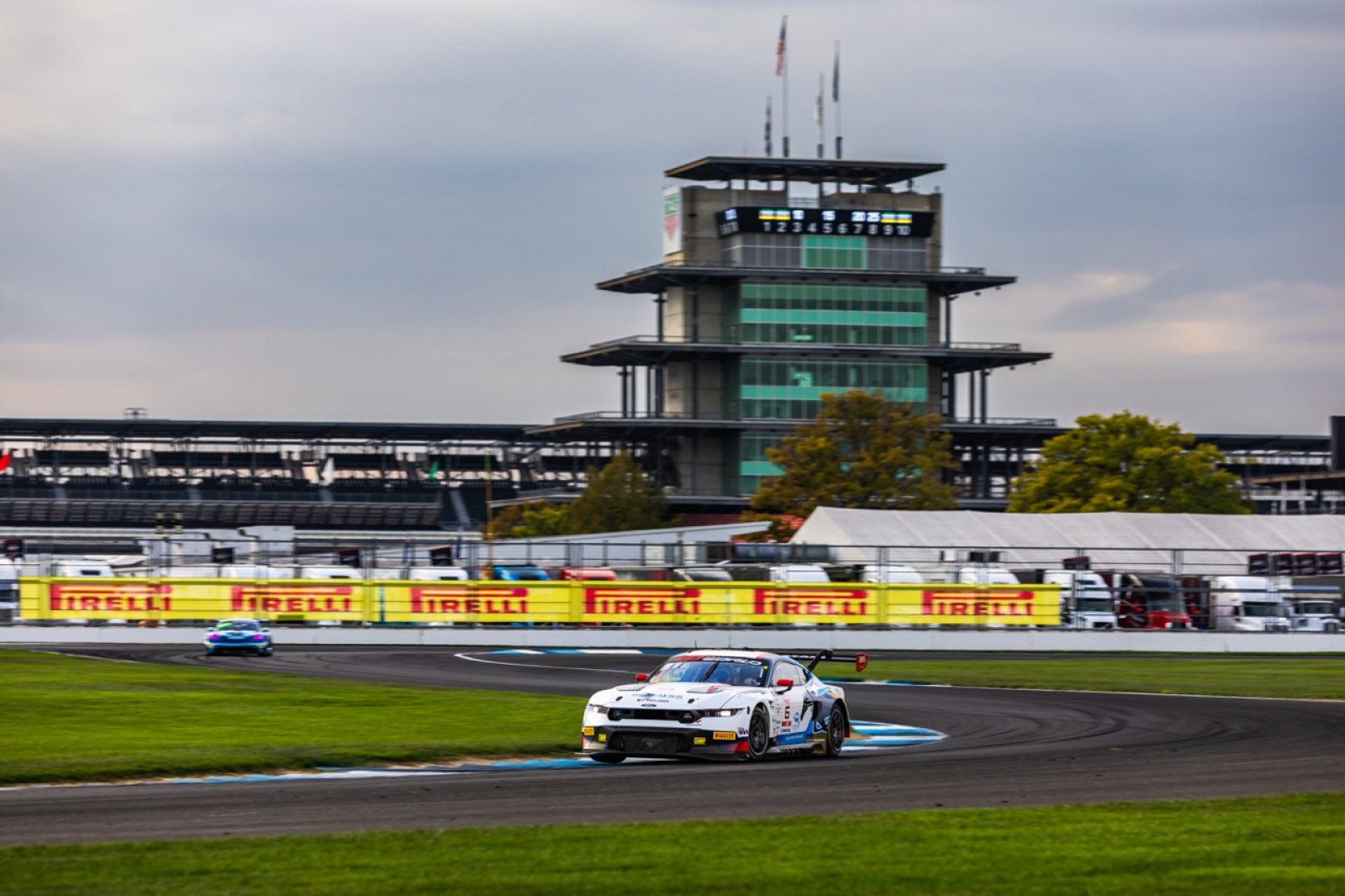
Standing tall above it all is the Pagoda. Inspired by Japanese architecture and modeled after the original tower first built in 1926, the Pagoda is the nerve center of race operations and one of the most recognizable landmarks in motorsport. Whether you are walking pit lane, wandering the paddock or watching from the stands, it is never far from view, acting as a constant reminder of exactly where you are.
Then there is the scale. With more than 250,000 permanent seats, IMS is the largest sporting facility in the world, and its infield is so vast that Yankee Stadium, the Roman Colosseum, Churchill Downs and Vatican City could all fit inside it at once. There is even a golf course, with four holes of Brickyard Crossing sitting inside the oval itself. It is a venue that constantly surprises, no matter how many times you have been.
For the GT field, the Speedway reveals a different side of itself. The 2.439-mile road course runs clockwise through the infield, linking tight, technical sections with a blast down the famous front straight in front of the towering main grandstands. The contrast is striking. Modern GT3 machinery threads its way through corners tucked inside a venue built for the fastest cars on the planet, before rejoining the same stretch of asphalt where so many legends have made their names.
That contrast becomes even more dramatic as the 8 Hour unfolds. The race begins in daylight, but as the sun sets over the Speedway, the venue transforms. Headlights sweep across the infield, brake discs glow into the braking zones, and the Pagoda lights up above pit lane as the race heads toward its finish under the lights. It is a version of IMS that few ever get to see.
The history on track is only one part of the Indianapolis experience. Just inside the grounds sits the Indianapolis Motor Speedway Museum, home to championship-winning race cars, trophies and memorabilia that trace the Speedway's history from its earliest days to the present. It is the perfect place to spend time between sessions and to put the weekend's racing into context.
So when the Indianapolis 8 Hour arrives at the Brickyard for the final time this October, take a moment to look around and appreciate exactly where you are standing.
Get your #Indy8H tickets now and be part of the final chapter!