
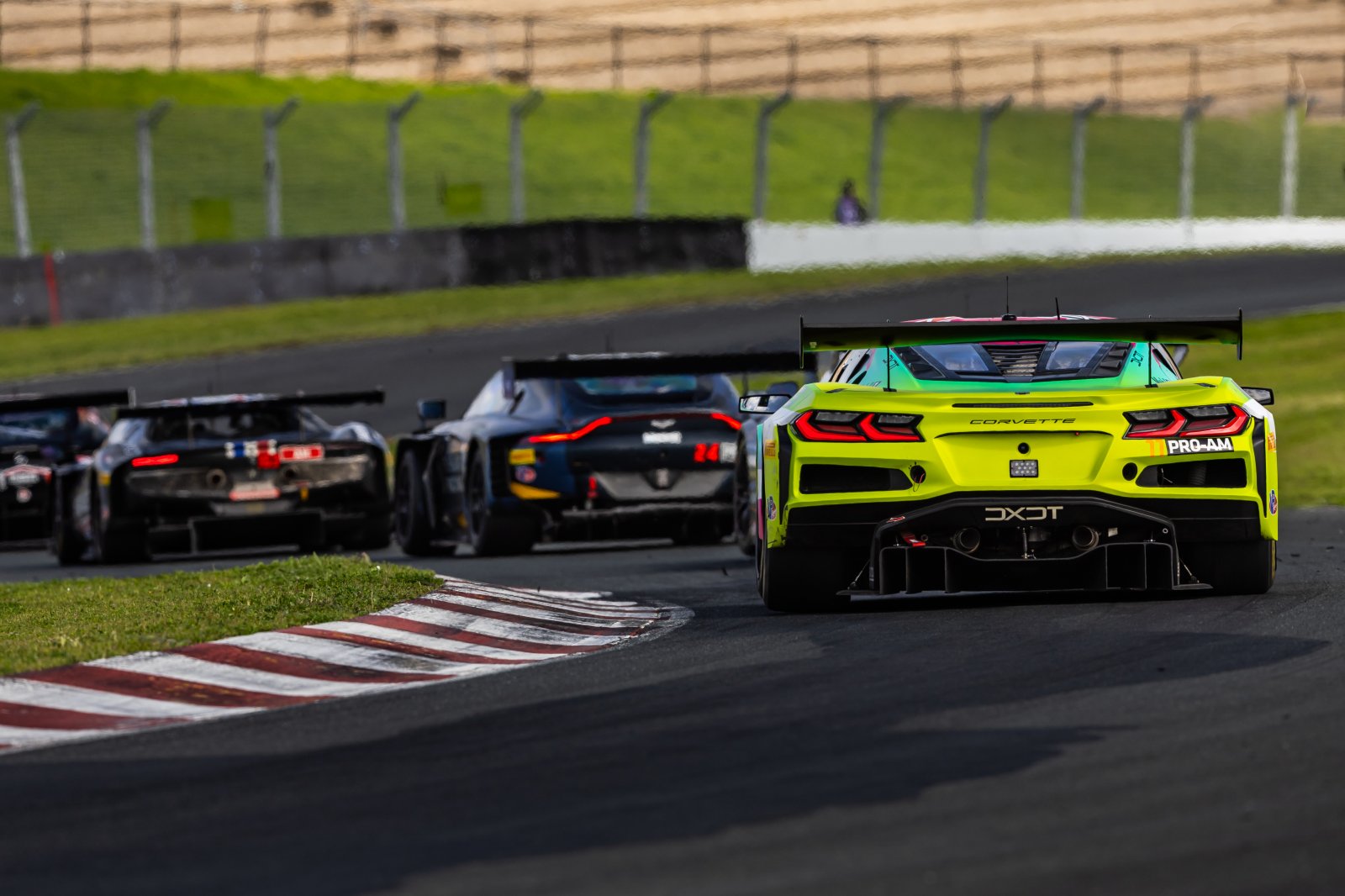
It has now been 20 years since the introduction of GT3, a category that has grown into the most successful and influential form of GT racing in the world. First unveiled in December 2005, GT3 fundamentally reshaped sports car racing by prioritizing cost control, manufacturer diversity, and competitive balance, all of which are core principles that continue to define the category today.
GT3 was created as a long-term solution to rising costs and competitive imbalance in GT racing during the early 2000s. While GT racing itself was thriving, escalating budgets and increasing professionalization threatened accessibility and manufacturer variety.
The solution was a category based on production-derived cars, designed to be cost-effective and welcoming to amateur and semi-professional drivers, while still delivering high-performance racing. GT3 would run as a standalone championship and rely on existing road-car architectures rather than bespoke race cars, dramatically lowering development and operating costs.
At the center of GT3’s lasting success is Balance of Performance (BoP), a concept that allows cars with vastly different engine layouts, drivetrains, and aerodynamic philosophies to compete on equal footing. BoP enabled front, mid, and rear-engined cars to race together competitively, and this approach opened the door for a wide variety of manufacturers to enter international GT racing and remains the foundation of modern GT competition across multiple categories.
The inaugural FIA GT3 European Championship debuted in 2006 with a diverse field that included Ascari, Aston Martin, Corvette, Dodge, Ferrari, Lamborghini, Maserati, and Porsche. Extensive pre-season testing ensured competitive parity, setting the tone for what would become a defining hallmark of GT3 racing: close competition regardless of the brand of choice.
What began as a European championship has evolved into a global ecosystem spanning multiple continents and championships. Today, GT3 machinery competes across SRO-sanctioned series and beyond, including the GT World Challenge series (America, Europe, Asia, Australia) and the marquee CrowdStrike 24 Hours of Spa event, which now regularly attracts over 70 entries on the grid each year.
While modern GT3 racing features many of the world’s top professional drivers, the category remains deeply connected to its founding philosophy of accessibility. Amateur and semi-professional drivers continue to form a vital part of the GT3 landscape, racing alongside established stars in multi-class and Pro-Am formats. This blend of competition levels, combined with factory-backed and customer racing programs, has been key to GT3’s longevity and growing popularity.
To commemorate the 20-year milestone, SRO will celebrate GT3’s history throughout the 2026 season. Initiatives include the launch of the GT3 Revival Series in partnership with Peter Auto, featuring cars from the category’s early years, and special anniversary elements surrounding the CrowdStrike 24 Hours of Spa, including a GT3 Legends race. The coexistence of historic GT3 competition alongside contemporary championship racing underscores the category’s enduring relevance and technical philosophy.
Two decades after its introduction, GT3 remains the global standard for GT racing. Its emphasis on balance, diversity, and accessibility has influenced virtually every modern GT category and continues to shape the future of sports car racing. From national championships to the world’s biggest GT racing events, the GT3 era is not just being remembered in 2026, it is still very much being written.